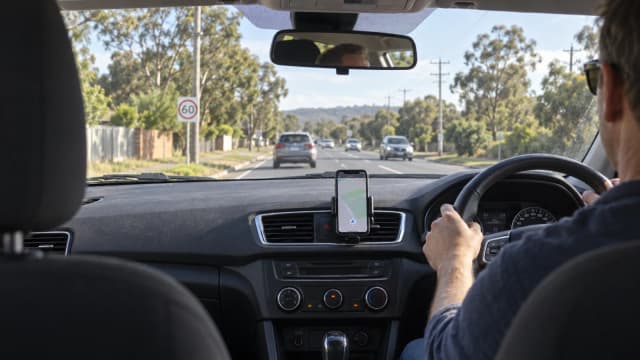
Are radar detectors legal in California? Yes, a passive radar detector is generally legal in a private passenger vehicle in California, but how it is mounted matters, and devices that interfere with police speed-measuring equipment are not legal. California radar detector law is mostly about the difference between a detector, which receives signals, and a jammer, which tries to disrupt radar, laser, or other enforcement devices.
This guide presents general information. Check current official road rules and follow every posted sign.
Are radar detectors legal in California for private drivers?
For most private drivers, California does not have a state law that bans owning or using a passive radar detector in a passenger car. A radar detector listens for certain radar or laser emissions used in speed enforcement; it does not, by itself, transmit a signal or interfere with police equipment.
The important limit is that the device must remain passive. California Vehicle Code section 28150 is titled “Jamming Devices” and prohibits vehicles from being equipped with devices designed for, or capable of, jamming, scrambling, neutralizing, disabling, or otherwise interfering with radar, laser, or other electronic devices used by law enforcement to measure speed. That wording targets jammers and interference devices, not ordinary receivers.
A detector also does not change the speed law. California DMV’s driver handbook explains that drivers may never drive faster than is safe for current road conditions, even when the posted speed limit is higher. Treat a detector as an information device, not as permission to speed.
Where you place the radar detector matters
Even if the detector itself is legal, California’s windshield and window rules can create a separate problem. Vehicle Code section 26708 generally prohibits driving with an object or material placed, displayed, installed, affixed, or applied on the windshield, side windows, or rear window, and it also prohibits objects inside the vehicle that obstruct or reduce the driver’s clear view through the windshield or side windows.
The law lists specific exceptions, such as rearview mirrors, certain stickers, toll or electronic communication devices, portable GPS units in defined windshield areas, video event recorders in defined areas, and some vehicle safety technology. A radar detector is not listed as a general windshield exception. For that reason, drivers should avoid mounting a radar detector where it is attached to glass or blocks the view of the road.
A practical, safety-first approach is to keep any device outside the driver’s sightline, away from airbag deployment zones, and set up before the vehicle is moving. Do not adjust a detector, app, or phone while driving. If you use the Speed Camera Radar Detector app for planning camera alerts, set it before you start and rely on hands-free, legal use only.
- Do not block the windshield view
- Do not attach equipment to windows unless a legal exception applies
- Do not place devices where airbags deploy
- Do not handle a phone while driving
Radar detectors, radar jammers, and laser jammers are different
A radar detector is a receiving device. It is intended to alert the driver that radar or sometimes laser activity may be nearby. A jammer is different because it is designed to interfere with the speed-measuring equipment itself. California treats that difference seriously.
Under Vehicle Code section 28150, a vehicle may not be equipped with a device designed for, or capable of, interfering with radar, laser, or another electronic speed-measuring device used by law enforcement. The same section also says a person may not use, buy, possess, manufacture, sell, or otherwise distribute such a device. Most violations are infractions, but possession of four or more prohibited devices is a misdemeanor. The statute includes a narrow transport exception for someone with a valid federal license for operating the devices, if the license is carried in the vehicle during transport.
That is why the phrase laser jammers California should be treated differently from radar detector use. Laser jammers and radar jammers are not simply stronger detectors. If the device is designed to jam, scramble, neutralize, disable, or otherwise interfere with speed-measuring equipment, California law puts it in the prohibited category.
- Detector: receives or alerts
- Jammer: interferes or attempts to interfere
- Passive detection: generally allowed in private cars
- Jamming equipment: prohibited under California law
Commercial vehicles and federal radar detector rules
Private passenger vehicles are not the whole story. Federal motor carrier rules prohibit a driver from using a radar detector in a commercial motor vehicle, and also prohibit operating a commercial motor vehicle that is equipped with or contains a radar detector. The rule also says a motor carrier may not require or permit a driver to violate that prohibition.
The federal definition of “radar detector” covers devices or mechanisms that detect radio microwaves, laser beams, or future speed-measurement technology used by enforcement personnel to measure the speed of commercial motor vehicles on public roads. The commercial motor vehicle definition is technical, but it generally includes certain vehicles used in interstate commerce for passengers or property, including vehicles at or above 10,001 pounds, certain passenger vehicles, and vehicles transporting placarded hazardous materials.
If you drive for work, operate under a motor carrier, tow commercially, carry passengers for compensation, or transport hazardous materials, do not assume the private-car rule applies to you. Company policy, federal motor carrier rules, and California equipment laws can all matter.
- Private car rules may not apply to commercial driving
- Federal rules ban detectors in covered commercial motor vehicles
- Motor carriers may not require or permit prohibited detector use
What drivers should remember before driving in California
The short answer is simple: a passive radar detector is generally legal in a private vehicle in California, but jammers are not, and windshield placement can still create a violation. The safest legal distinction is whether the device only receives information or whether it is designed to interfere with enforcement equipment.
Drivers should also remember that California speed enforcement is not limited to one technology. Officers may use radar, laser, pacing, aircraft-supported enforcement, visual observation supported by other evidence, or other lawful methods depending on the situation. A detector cannot identify every risk, and it cannot make an unsafe speed legal.
Finally, rules can change when you cross state lines. California’s approach is not the same as every other jurisdiction in the United States, and federal commercial vehicle rules follow the vehicle and operation, not just the state you are in. If you are unsure whether your vehicle, employer, or trip falls under commercial rules, check the current official law or ask a qualified traffic attorney.
- Passive radar detector in a private car: generally legal
- Windshield-mounted detector: risky under California window rules
- Radar or laser jammer: prohibited
- Commercial motor vehicle: federal detector ban may apply
- Speed limit and safe-speed rules still apply
A simple pre-drive checklist
- Set the route and alerts before moving.
- Check the first posted limit after every major turn.
- Leave enough space to adjust without abrupt braking.
- Use official sources when a rule affects your licence.