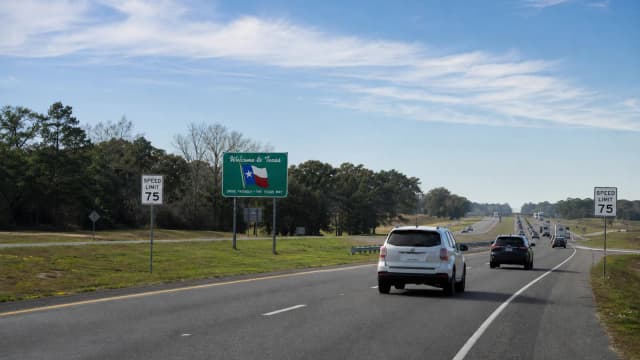
A speed camera ticket in the United States is usually a mailed notice tied to a license plate, not a traffic stop, and the consequences depend on the state, city and type of camera program. In many owner-liability programs it is a civil fine with no driver-license points and no direct insurance impact, but fines, deadlines, late penalties and contest rules vary widely, so the notice itself and the issuing agency’s rules matter most.
This guide presents general information. Check current official road rules and follow every posted sign.
What a speed camera ticket means
A speed camera ticket is an automated enforcement notice issued after a fixed, mobile, work zone or average speed system records a vehicle traveling above the enforcement threshold. The camera records the plate and other evidence, such as the date, time, location, measured speed and posted speed limit. After review, the registered owner is usually sent a notice by mail.
The key difference from a roadside speeding ticket is that many camera programs identify the vehicle, not the driver. That is why many places treat the violation more like a parking ticket or civil liability notice than a criminal or moving violation. The owner may be responsible even if another person was driving, unless the local rules provide a valid transfer, stolen vehicle, sold vehicle or similar defense.
There is no single national price or penalty. Federal safety guidance recognizes that states use different legal models. Some hold the registered owner liable, while others focus on the driver and may use penalties closer to traditional speeding enforcement. State law may authorize cameras only in school zones, work zones, safety corridors or specific cities, and some states prohibit or sharply limit them.
- Read the notice before assuming it is a normal speeding ticket
- Confirm the issuing city, state or agency
- Check whether it says civil penalty, moving violation or notice of liability
- Look for the response deadline and late-fee date
How much speed camera tickets cost
The cost of a speed camera ticket varies by jurisdiction and by how far over the posted limit the vehicle was recorded traveling. Some programs use a flat fine. Others use tiers, with higher amounts for greater speeds, work zones, workers present, school zones or repeat violations.
New York City is a good example of a fixed civil fine: its school-zone speed camera violation is listed at $50. The city states that the registered owner is responsible, and the violation does not add license points. In contrast, the District of Columbia uses a graduated schedule for automated speed violations, with higher fines as the recorded speed increases above the limit. Maryland’s state work zone program also uses a tiered schedule, and fines can be doubled when workers are present.
Because the same driver may pass through several different legal systems in one trip, do not rely on what happened in another city or state. A $50 school-zone camera notice in one place does not predict the cost of a work-zone automated citation in another. Also check whether the amount shown is the base fine only or already includes penalties, court costs, processing charges, collection fees or other add-ons.
- Flat fines in some city school-zone programs
- Tiered fines for higher speeds in many programs
- Higher penalties in some work zones
- Late penalties if the ticket is ignored
- Possible rental-company administrative fees for rental vehicles
Do speed camera tickets go on your record?
The short answer is: often no, but not always. Many U.S. speed camera programs are designed as civil owner-liability systems. In those programs, the violation typically does not appear as a moving violation on the driver’s DMV record and does not add points to a driver’s license.
Several official programs say this plainly. New York City says a speed camera violation is not made part of the recipient’s operating record and does not accrue license points because the cameras identify the vehicle, not the driver. Maryland Courts state that payment of red light, speed monitoring, school bus monitoring and similar camera citations will not result in points. The District of Columbia DMV says points are not assessed for parking and photo tickets.
However, drivers should be careful with the word “record.” A ticket may not go on your driver record, but it can still exist in an agency’s ticket system, payment history, vehicle account, municipal record or collections process. Unpaid camera fines may also lead to consequences tied to the vehicle, such as late penalties, registration holds, booting, towing or collection referral where local law allows.
If the notice says the violation is a moving violation, names the driver rather than only the registered owner, requires a court appearance, or warns about points, treat it differently from a routine civil camera notice. Some driver-liability programs can resemble traditional speeding tickets more closely, and federal guidance notes that some states may assign penalty points in driver-liability models.
- No points in many owner-liability camera programs
- Possible record in the agency’s ticket system
- Possible vehicle consequences for nonpayment
- Different treatment for driver-liability programs
Do speed camera tickets affect insurance?
In many common camera programs, a paid speed camera ticket does not directly affect insurance because it does not create driver-license points or a moving violation on the driving record. Some state and local rules go further and state that camera citations may not be used for insurance-rating purposes. Maryland Courts, for example, state that payment of speed monitoring and similar camera citations cannot be used to increase insurance rates. New York City also says its speed camera violations are not used for insurance purposes.
That said, insurance is regulated by state law, and insurers generally rate policies using information they are legally allowed to consider. A traditional officer-issued speeding conviction with points is much more likely to affect insurance than a civil, owner-liability camera notice with no points. If a camera citation is actually processed as a pointable moving violation in your jurisdiction, the insurance risk changes.
Also separate the insurance question from the money question. Even if a camera violation does not raise your premium, ignoring it can still become expensive. Late fees, default judgments, collection fees, vehicle-registration problems, booting or towing can cost far more than the original fine in some places.
If you are trying to understand your own risk, look for three phrases on the notice: “no points,” “not a moving violation,” and “not used for insurance purposes.” If those phrases are not present, check the official rules for the issuing agency before assuming the outcome.
- Civil camera ticket with no points: usually no direct insurance effect
- Officer-issued speeding conviction: more likely to affect insurance
- Unpaid ticket: may create separate vehicle or collection consequences
- State insurance rules vary
Speed camera ticket lookup and verification
A speed camera ticket lookup is the process of checking the official ticket record, photos, video or payment status using the citation details. Most notices include a ticket number, notice number, plate number, state of registration and sometimes a PIN or access code. Use the official payment or dispute system named on the notice, not a search result or text message link that you cannot verify.
Before paying or disputing, compare every detail. Confirm the plate, vehicle make, location, date, time, direction of travel, posted limit and measured speed. If photos or video are available, make sure the plate is yours and the vehicle shown matches your vehicle. If you recently sold the vehicle, transferred plates, reported the vehicle stolen or rented a car, gather documents before the deadline.
Be alert for scams. A real notice should identify the issuing government agency, the violation, the vehicle, the response deadline and the accepted response methods. Be cautious with unexpected texts, emails or payment demands that pressure you to pay immediately, especially if they do not match a mailed notice or official account. When in doubt, contact the issuing agency using a phone number from the notice or from the agency’s official public contact information, not from a suspicious message.
Keep copies of everything: the notice, envelope if the mailing date matters, screenshots or printouts of evidence, payment receipts, dispute confirmations and hearing decisions. If the ticket later appears as unpaid, those records may be the fastest way to fix the problem.
- Ticket or notice number
- License plate number and state
- PIN or access code if provided
- Photos or video evidence
- Payment, dispute and hearing status
- Receipts and confirmation numbers
How to fight a speed camera ticket
How to fight a speed camera ticket depends on the local process. Some places allow an online or mail hearing. Others offer in-person hearings, trial requests or an “admit with explanation” option. In many jurisdictions, paying the fine ends your ability to contest it, so decide before you pay. If you want to dispute it, follow the instructions on the notice and meet the deadline.
Strong disputes usually focus on facts and legally recognized defenses, not general frustration with cameras. Common issues include a stolen vehicle or stolen plates, the vehicle having been sold before the violation, an incorrect plate read, a mismatch between the vehicle and the registration, unclear or defective evidence, a ticket issued outside authorized hours or location, or a situation where a law enforcement officer directed the movement. The District of Columbia, for example, recognizes specific photo-ticket defenses such as yielding to an emergency vehicle, stolen vehicle or tags, funeral procession involvement, or following a law enforcement officer’s direction.
Do not assume that “I was not driving” is a winning defense. In many owner-liability systems, the owner remains responsible unless the local law allows a transfer of liability or a specific nonliability defense. Likewise, saying that other drivers were speeding, that the camera is unfair, or that you usually drive safely may not address the legal elements of the citation.
When disputing, organize your evidence clearly. Label photos, attach a police report if the vehicle or plate was stolen, include sale or transfer documents if ownership changed, and point to the exact ticket detail you believe is wrong. If calibration, technician certification or equipment accuracy is relevant under local rules, ask for the evidence in the way the jurisdiction allows. This article is educational only, and if a ticket could affect your license, job, immigration status or a commercial driving credential, consider getting professional legal help.
- Do not pay first if payment waives your dispute rights
- Calendar the response deadline
- Use the defenses allowed by the issuing jurisdiction
- Submit evidence, not just an explanation
- Keep proof that your dispute was filed on time
Practical ways to respond and avoid bigger problems
Start with the deadline. Camera-ticket systems often add penalties if there is no payment or hearing request by the due date. Some agencies give about 30 days for an initial response, but the exact period varies. If the notice arrived late, was sent to an old address, or involves a rental or leased vehicle, act quickly because the administrative timeline may already be running.
Next, choose one path: pay, request a hearing, contest by mail or online, or use any official explanation process offered by the agency. If the fine is correct and the program has no points or insurance consequence, paying by the deadline may be the simplest option. If the ticket is factually wrong or the vehicle was not yours, disputing with documents is usually better than ignoring it.
If you cannot afford the fine, check whether the issuing agency offers a payment plan, fine reduction, community service option or hardship process. Do this before the matter goes into default, collections or registration enforcement. Once late penalties or collection fees attach, the total can be harder to manage.
Finally, use the ticket as a reminder to review your speed habits, especially near schools, work zones, residential streets and unfamiliar urban corridors. Camera enforcement is not a substitute for watching signs and driving at a safe legal speed. Before a trip, you can plan alerts in the Speed Camera Radar Detector app, but no app guarantees full coverage or replaces paying attention to posted speed limits while driving.
- Open the notice immediately
- Verify the ticket details
- Choose pay, contest or explanation
- Ask early about hardship options if needed
- Save all receipts and decisions
- Slow down in school zones and work zones
A simple pre-drive checklist
- Set the route and alerts before moving.
- Check the first posted limit after every major turn.
- Leave enough space to adjust without abrupt braking.
- Use official sources when a rule affects your licence.