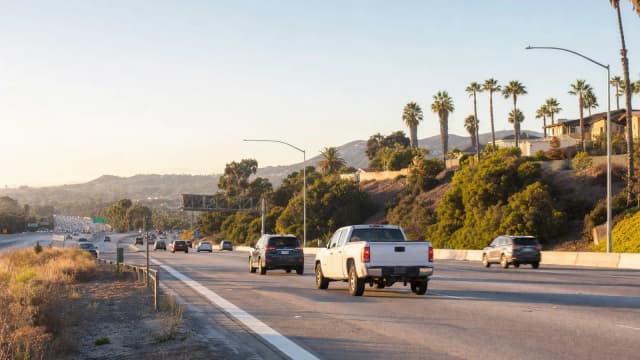
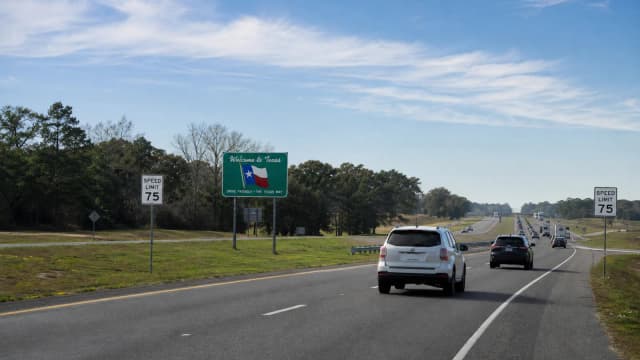
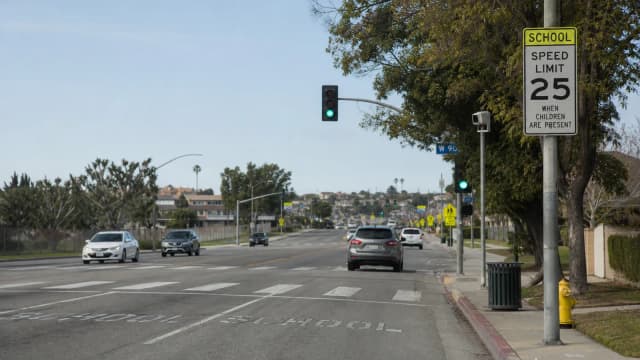
Are radar detectors legal in Florida? Yes, a passive radar detector is generally legal for drivers of private passenger vehicles in Florida. The important limits are separate: federal rules ban radar detectors in many commercial motor vehicles, Florida law restricts windshield attachments, and jamming devices are treated very differently from detectors.
This guide presents general information. Check current official road rules and follow every posted sign.
Are radar detectors legal in Florida for private cars?
For an ordinary private car, SUV, pickup or motorcycle used for personal driving, Florida does not have a statewide ban on owning or using a passive radar detector. A passive detector listens for radar or laser speed-measurement signals and alerts the driver. It does not transmit, block or interfere with police equipment.
That means a Florida driver is not breaking state law simply because a detector is in the car. The device also does not give permission to speed. Florida officers can still enforce speed limits with radar, laser, pacing, visual observation and other lawful methods, and a detector may not alert before a speed reading is taken.
The safest way to think about a detector is as a reminder to check your speed, not as protection from a ticket. It may be silent near an officer using pacing, may alert too late to a targeted laser measurement, and may not recognize every form of local camera enforcement.
- Legal for most private passenger vehicles
- Not a defense to a speeding citation
- Not a substitute for posted speed limits
- Separate rules for mounting and jammers
The commercial vehicle exception
The biggest legal exception is for commercial motor vehicles covered by federal motor carrier rules. Federal regulation says a driver may not use a radar detector in a commercial motor vehicle, and may not operate a commercial motor vehicle that is equipped with or contains one. A motor carrier also may not require or allow a driver to violate that rule.
This matters for truck drivers, bus drivers and some work vehicles, even when the trip is inside Florida. If you drive for an employer, carry passengers or cargo for business, or operate a vehicle that may fall under federal motor carrier safety rules, do not assume the private-car rule applies to you.
Company policies can also be stricter than state law. A fleet, rental agreement or employer safety policy may ban detectors even where a private driver could legally carry one.
- Private car rules do not control regulated commercial vehicles
- A detector sitting in the cab can be a problem under federal rules
- Employer policies may be stricter
Where you mount it matters
Florida's windshield law is separate from the legality of the detector itself. State law restricts signs, products, coverings and other items attached to, or located in or upon, the windshield unless they fit a listed exception. Listed exceptions include required certificates, certain top-strip sunscreening, government-issued toll devices and certain GPS or similar satellite receiver devices.
A radar detector is not automatically safe to mount just because the device is legal to possess. A suction-cup unit placed in the middle of the windshield can create a visibility issue, and Florida also treats windshield or window material that materially obstructs the driver's clear view as a traffic problem. The practical point is simple: keep the driver's view of the road, intersections, pedestrians and traffic signals completely clear.
Dashboard, visor and mirror-area placements can create different visibility and equipment issues depending on the vehicle and mount. If a device blocks your sight line or distracts you, move it before driving. Do not adjust a detector, app or mount while the vehicle is moving.
- Do not block the forward view
- Do not cover traffic signals or crosswalk sight lines
- Do not handle devices while driving
Detectors are not jammers
A radar detector and a radar jammer are not the same thing. A detector is a receiver. A jammer is designed to interfere with a signal or prevent speed-measuring equipment from working properly. Florida's 2026 signal-jamming provisions define a signal jamming device to include devices designed to intentionally block, jam or interfere with radio communications such as police radar, GPS and cellular services.
Florida law makes it unlawful to possess, manufacture, sell, import, distribute or use a signal jamming device in the state, with narrow exceptions for certain authorized government or FCC-authorized uses. A violation is a first-degree misdemeanor under that Florida statute.
Federal communications rules also treat radio jamming seriously. Do not rely on a product description that calls a device a parking sensor, scrambler, blocker or diffuser if its purpose is to interfere with enforcement equipment. If the device transmits or interferes, it is legally different from a passive detector.
- Passive detector: listens only
- Jammer: interferes or blocks
- Florida law expressly addresses police radar jamming
What radar detectors can and cannot warn you about
Florida drivers encounter several different enforcement methods. A detector may alert to some police radar. It may include a laser sensor, but laser speed measurement is narrow and targeted, so an alert can come only when the vehicle is already being measured or when nearby scatter is detected. It will not reliably warn about every patrol car or every speed enforcement situation.
Florida also allows certain automated speed detection systems in school zones when local governments authorize them under state law. These systems are separate from the handheld or vehicle-mounted radar that many drivers associate with radar detectors. Florida's school-zone camera law focuses on violations more than 10 mph over the applicable school-zone or posted speed limit during specified school-related periods or school sessions, depending on the provision being enforced.
Red light cameras and other photo enforcement systems are also different from a radar gun on the roadside. A detector may not alert to a red light camera unless the device or app has a location database. If you use the Speed Camera Radar Detector app, set up alerts before you start driving and treat them as planning reminders, not guaranteed coverage.
- Radar and laser alerts vary by equipment and conditions
- School-zone speed cameras use separate rules
- Red light cameras are not the same as police radar
Practical guidance for Florida drivers
For a Florida driver in a private passenger vehicle, the short answer is reassuring: a passive radar detector is generally allowed. The practical answer is more cautious: install it without blocking the windshield, keep your attention on the road, and never confuse a detector with permission to exceed the speed limit.
Be especially careful in school zones, construction zones, neighborhoods, rain, heavy traffic and areas with pedestrians or cyclists. Florida speed limits and warning signs can change quickly, and enforcement may be by officer, camera or both. A detector can miss pacing, aircraft observation, camera-based enforcement and visual traffic stops for unsafe driving.
If you cross state lines, check the rules before you go. Virginia and Washington, D.C. have their own detector restrictions, and commercial motor vehicle rules can follow you wherever the federal regulation applies. When in doubt, remove the device before the trip or ask the appropriate agency or a qualified attorney for situation-specific guidance.
- Legal in most Florida private cars
- Illegal in regulated commercial motor vehicles under federal rules
- Jammers are a separate and serious issue
- Safe placement matters
A simple pre-drive checklist
- Set the route and alerts before moving.
- Check the first posted limit after every major turn.
- Leave enough space to adjust without abrupt braking.
- Use official sources when a rule affects your licence.